
A metabolic health clinic identifies the underlying drivers of weight gain and poor metabolic function, such as insulin resistance, hormone imbalance, or chronic inflammation, through lab testing, then builds a physician-supervised treatment plan around the results. At Evexia, this typically starts with metabolic testing and a consultation to see whether GLP-1 therapy or another root-cause …

A metabolic health clinic identifies the underlying drivers of weight gain and poor metabolic function, such as insulin resistance, hormone imbalance, or chronic inflammation, through lab testing, then builds a physician-supervised treatment plan around the results. At Evexia, this typically starts with metabolic testing and a consultation to see whether GLP-1 therapy or another root-cause approach fits your case.
If you’ve searched for a metabolic health clinic, you’ve probably noticed the term gets used loosely. Some are gyms with a nutritionist on staff; others are full medical practices built around lab-based diagnostics. A true metabolic health clinic goes beyond calorie counting. It investigates why your metabolism has slowed, resisted weight loss, or developed insulin resistance in the first place, then builds a treatment plan around that root cause. At Evexia, that means combining functional lab testing with physician-led GLP-1 weight loss care, rather than handing you a generic meal plan and sending you on your way. Understanding what a metabolic health clinic actually does can help you know what to expect before you commit to care, and why “eat less, move more” advice so often fails people whose real problem is metabolic, not motivational.
What a Metabolic Health Clinic Actually Does
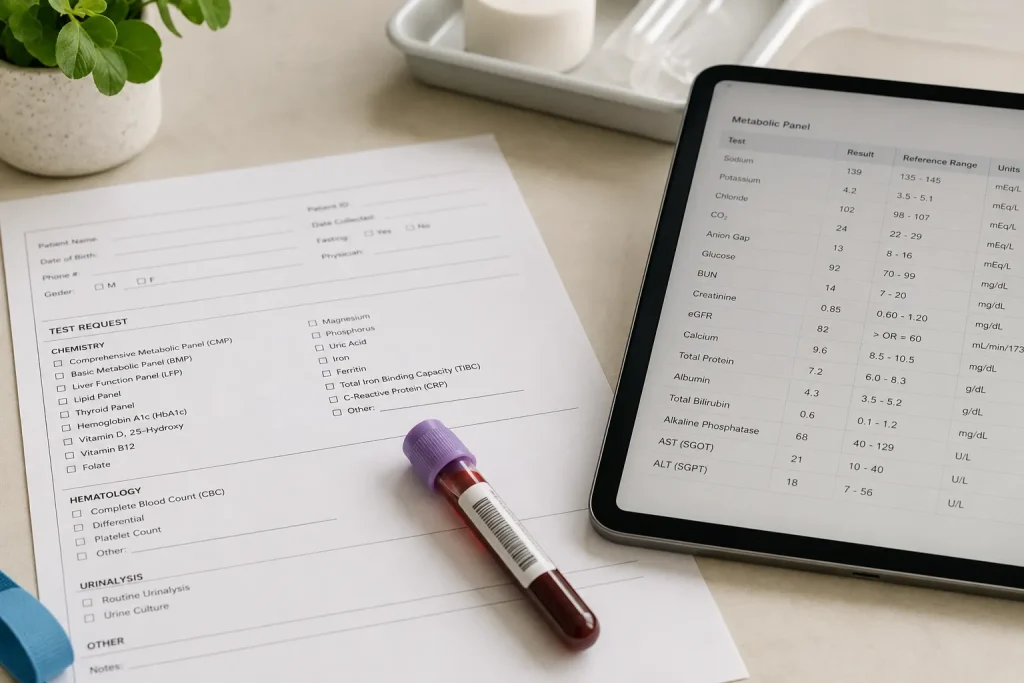
A metabolic health clinic differs from a typical weight-loss program in both scope and depth. Instead of starting with a diet plan, it starts with data about how your body is actually functioning.
- Comprehensive metabolic and hormone lab panels, not just a scale reading
- Root-cause investigation into insulin resistance, thyroid function, and inflammation
- Physician-led treatment planning, including GLP-1 medication when it’s appropriate
- Ongoing monitoring and dose adjustments based on lab trends, not guesswork
- Education on how metabolism changes with age, stress, and hormone shifts
That last point matters more than most people expect. Many clients arrive believing their weight struggles come down to willpower, when the real driver is a metabolic or hormonal shift a standard checkup never screened for. A metabolic health clinic exists specifically to close that gap: it treats weight and energy concerns as measurable, testable conditions rather than lifestyle failures, and builds the treatment plan around what the labs actually show.
How Evexia Wellness Approaches Metabolic Health

Evexia Wellness treats metabolic slowdown as a symptom with a findable cause, not a personal failing. Every GLP-1 client starts with testing, not a prescription pad.
| Symptom | Possible Root Cause | How Evexia Addresses It |
| Weight loss resistance | Insulin resistance or hormone imbalance | Metabolic testing plus a physician-guided GLP-1 program |
| Fatigue despite diet changes | Thyroid dysfunction or chronic inflammation | Functional lab panel and a root-cause treatment plan |
| Rebound weight gain after prior diets | Metabolic adaptation, not willpower | Ongoing monitoring with lab-based dose adjustments |
| Stubborn midsection weight | Cortisol or insulin dysregulation | Combined GLP-1 therapy and lifestyle coaching |
This is also why blog posts and consult calls at Evexia rarely lead with a number on the scale. The metabolic picture labs, hormones, inflammation markers determines the plan, and the plan determines the results.
What to Expect at Your First Visit

Walking into a metabolic health consult for the first time looks different from a typical weight-loss appointment. Here’s the general sequence:
- An initial consultation and health history review, covering prior diets, medications, and symptoms
- Metabolic and hormone lab testing to identify what’s actually driving your symptoms
- A personalized treatment plan discussion, including whether GLP-1 therapy is a fit for your labs and goals
- Ongoing check-ins to track lab trends and adjust your plan as your metabolism responds
Clients often say this is the first time a provider has asked about their labs before recommending a treatment, rather than after.
Why Evexia?
Evexia is led by Deanna McNulty, DNP, FNP-C, who brings 26 years in medicine to every metabolic health consult. She has been named a 2x Best Physician in Teller County, and has served more than 1,800 clients from the clinic’s home base in Florissant, Colorado. Deanna built Evexia around a simple premise: symptoms like stubborn weight, low energy, and hormone imbalance almost always have a traceable, testable cause. Rather than operating like a med-spa or a generic weight-loss chain, Evexia’s GLP-1 program is grounded in functional lab work and ongoing physician oversight, so your plan adjusts as your metabolism does.
That distinction shapes the entire client experience. Instead of a one-size-fits-all protocol, you get a plan built from your own lab results, reviewed and adjusted by a provider who has spent nearly three decades practicing medicine not a call center reading from a script.
Frequently Asked Questions
What is a metabolic health clinic?
A metabolic health clinic is a medical practice that evaluates how your body processes energy, insulin, and hormones, then treats weight and energy concerns based on lab findings rather than generic diet advice. It typically combines testing, physician oversight, and a personalized treatment plan.
How is a metabolic health clinic different from a weight-loss clinic?
A standard weight-loss clinic often focuses on calories and exercise plans. A metabolic health clinic investigates the underlying cause of weight resistance, such as insulin resistance or hormone imbalance, before recommending treatment like GLP-1 therapy.
Do I need lab testing before starting a GLP-1 program?
At Evexia , yes. Lab testing helps confirm whether GLP-1 therapy is appropriate for your metabolic profile and gives your provider a baseline to track as your treatment progresses, rather than prescribing based on symptoms alone.
How do I know if I need to see a metabolic health specialist?
If you’ve tried diet and exercise changes without lasting results, or you experience fatigue, stubborn weight, or symptoms of hormone imbalance, a metabolic health specialist can test for underlying causes a standard physical typically doesn’t screen for.
What lab markers does a metabolic health clinic typically check?
Most metabolic evaluations look at markers like fasting insulin, thyroid function, inflammatory markers, and relevant sex hormones. These results help identify whether insulin resistance, thyroid dysfunction, or hormone imbalance is driving your symptoms, and guide whether GLP-1 therapy fits your treatment plan.