Non-surgical joint pain treatments include physical therapy, activity modification and bracing, anti-inflammatory nutrition and lifestyle changes, injections, and regenerative options like StemWave shockwave therapy. Each works best for a different stage and cause of joint breakdown, and most clients notice meaningful change within four to six sessions when the right option is matched to the …
Non-surgical joint pain treatments include physical therapy, activity modification and bracing, anti-inflammatory nutrition and lifestyle changes, injections, and regenerative options like StemWave shockwave therapy. Each works best for a different stage and cause of joint breakdown, and most clients notice meaningful change within four to six sessions when the right option is matched to the right joint. Evexia’s StemWave program gives clients a non-invasive path that targets the root cause of joint pain rather than just masking it.
If your knees, hips, or shoulders ache every time you move, you are not alone, and surgery is not always the first or only answer. Many people searching for a joint pain treatment without surgery want relief that fits real life, without months of recovery time or the risks that come with an operating room. The good news is that modern, non-surgical options can calm inflammation, restore mobility, and give damaged tissue what it needs to heal on its own. At Evexia, we look past the joint itself to understand why it is breaking down, whether that is an old injury, repetitive strain, hormonal shifts, or chronic inflammation, so the plan actually addresses the cause instead of just numbing the symptom. Whether the pain shows up in a knee, hip, shoulder, or elbow, the underlying question is the same: is the tissue getting what it needs to repair itself, and if not, why.
Why Joints Break Down in the First Place
Joint pain rarely appears out of nowhere. It usually builds slowly, often for years, before it becomes hard to ignore. Understanding the actual driver behind your pain is the first step toward choosing a treatment that works instead of one that only offers temporary comfort.
Common root causes include:
- Repetitive stress from work, sport, or daily movement patterns
- An old injury that never fully healed and left the joint unstable
- Cartilage thinning that comes naturally with age and reduced shock absorption
- Chronic low grade inflammation driven by diet, stress, or metabolic health
- Hormonal shifts that affect how connective tissue repairs itself
- Poor circulation that slows the body’s natural healing response
When a treatment plan only targets the symptom, the pain tends to return once the medication or rest period ends. A root cause approach looks at what is actually happening inside the joint and the tissue around it, not just how loud the pain signal is on a given day.
This matters most for people who have already tried the basics, meaning rest, over the counter medication, and a brace, without lasting relief. If pain keeps returning after those steps, it is usually a sign that the underlying tissue damage or inflammation has not actually resolved, even if the pain itself quiets down for a while.
Types of Treatments for Joint Pain

Not every joint problem responds to the same treatment, and timing matters as much as the method itself. Here are five widely used non-surgical options and where each one tends to fit best.
- Physical therapy and targeted movement. Strengthening the muscles that support a joint reduces the load on cartilage and connective tissue. This works well for early stage pain, post injury recovery, and ongoing joint stability.
- Bracing, taping, and activity modification. Temporary support and smarter movement patterns reduce strain while the joint recovers. This is most useful for flare ups, overuse injuries, and short term relief.
- Anti-inflammatory nutrition and lifestyle changes. Reducing systemic inflammation through diet, sleep, and stress management supports the whole body’s healing capacity. This fits chronic, low grade joint pain tied to inflammation.
- Corticosteroid or hyaluronic acid injections. These can reduce inflammation and improve joint lubrication for a period of weeks to months. This option is often considered for moderate arthritis pain when other conservative steps have not been enough.
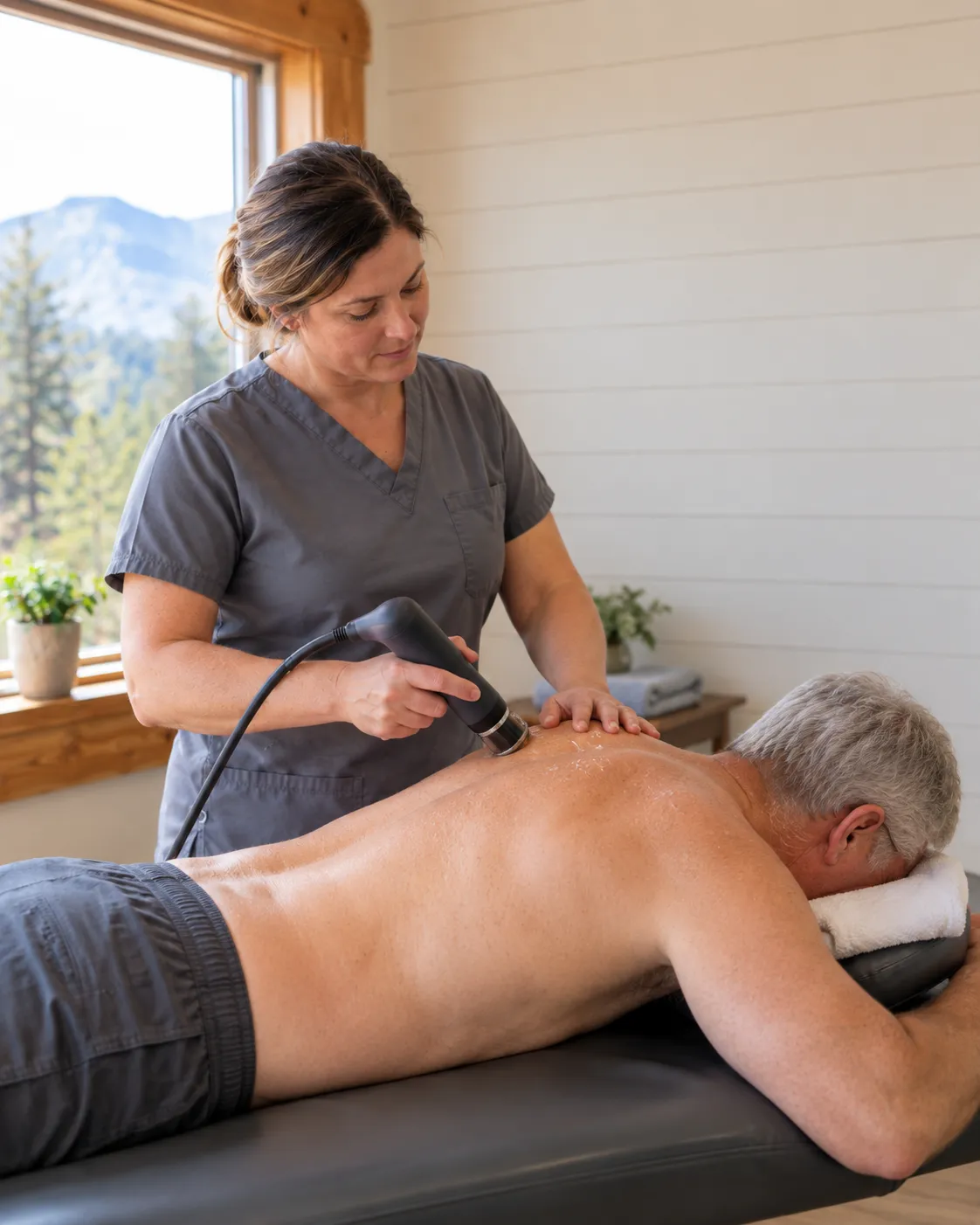
- Regenerative shockwave therapy. StemWave uses focused acoustic waves to stimulate blood flow and trigger the body’s natural cellular repair process at the site of pain. This is well suited for tendon and joint pain that has not responded to rest, therapy, or medication alone, and for clients who want a non-invasive option before considering surgery.
| Treatment | Best For | Typical Timeline |
| Physical therapy | Early stage pain, post injury recovery | Weeks to months |
| Bracing and activity changes | Flare ups, overuse injuries | Days to weeks |
| Anti-inflammatory lifestyle changes | Chronic, diet linked inflammation | Ongoing |
| Injections | Moderate arthritis, short term relief | Weeks to months |
| StemWave shockwave therapy | Persistent tendon and joint pain, non-invasive alternative to surgery | 4 to 6 sessions |
How Evexia’s StemWave Therapy Fits In

StemWave is a focused acoustic wave therapy that Evexia uses as part of its Pain, Injury and Recovery care. Rather than masking discomfort, the acoustic waves are directed at the affected joint or tendon to increase local blood flow, break up areas of chronic inflammation, and stimulate the body’s own cellular regeneration process. There are no incisions, no anesthesia, and no extended downtime. Most sessions take well under an hour, and many clients return to normal activity the same day.
This approach fits naturally into a root cause philosophy. Instead of relying on medication to quiet pain signals, StemWave works with the body’s own repair systems to address the tissue damage that is causing the pain in the first place. Because it is non-invasive, StemWave can often be layered alongside other conservative treatments, such as physical therapy or lifestyle changes, rather than requiring clients to choose only one path.
Clients considering a joint pain treatment without surgery often ask how StemWave compares to more familiar options like injections or physical therapy alone. The honest answer is that these approaches are not always competing with each other. Many clients get the best results when a provider combines targeted movement work with a regenerative therapy like StemWave, rather than treating each option as a last resort after the others fail.
What to Expect: The Evexia StemWave Process

- Initial evaluation. Your provider reviews your pain history, prior treatments, and imaging if available, then examines the affected joint or tendon.
- Personalized treatment plan. Based on the evaluation, your provider builds a session schedule tailored to the joint involved and the severity of the damage.
- StemWave sessions. Focused acoustic waves are applied directly to the treatment area. Sessions are brief and most clients describe the sensation as a rhythmic tapping rather than pain.
- Progress reassessment. Your provider tracks your response across sessions and adjusts the plan as your tissue responds and mobility improves.
Why Evexia
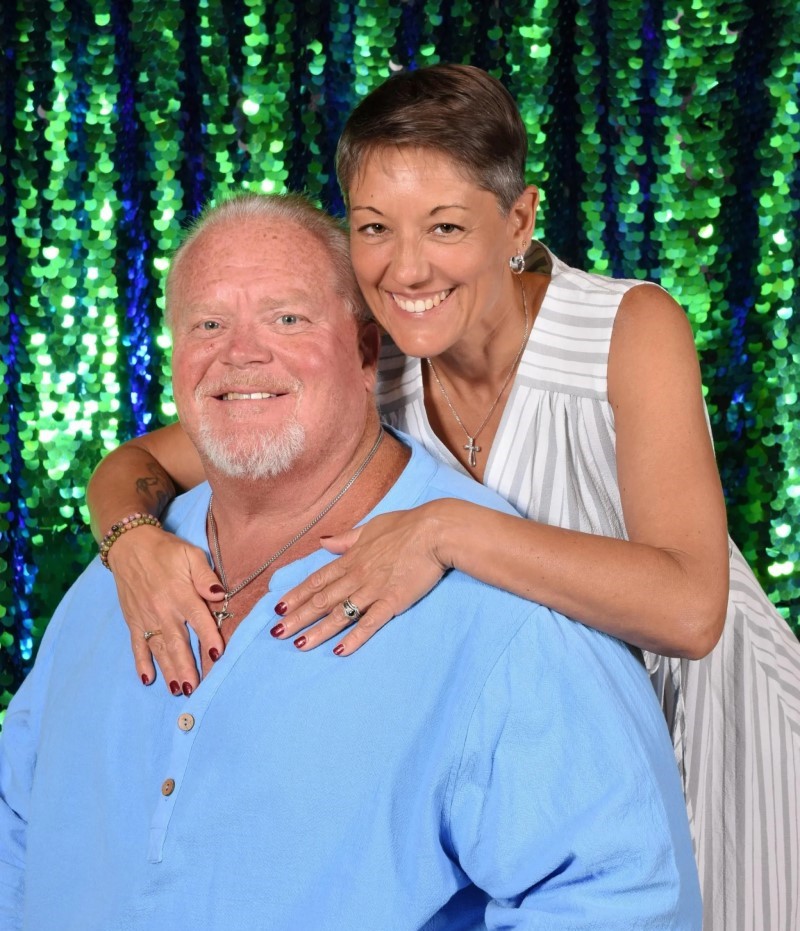
Evexia is led by Deanna McNulty, DNP, FNP-C, who brings more than 26 years in medicine to every treatment plan, with Shawn McNulty serving as the clinic’s dedicated StemWave Treatment Specialist. Based in Florissant, Colorado, Evexia was built on the idea that pain relief should come from understanding the root cause, not from covering up a symptom. As a cash-pay practice offering both telehealth and in-person care, Evexia designs joint pain plans around the individual client rather than a one-size-fits-all protocol, drawing on functional medicine principles alongside regenerative treatments like StemWave.
Frequently Asked Questions
What is the best non-surgical treatment for joint pain?
The best option depends on the cause and stage of your joint pain. Early or mild pain often responds well to physical therapy and lifestyle changes, while persistent tendon or joint pain that has not improved with rest may respond better to regenerative options like StemWave shockwave therapy.
Can shockwave therapy help arthritis pain?
Shockwave therapy can help reduce inflammation and stimulate healing in the tissue surrounding an arthritic joint, which may ease pain and improve mobility for some clients. It works best as part of a broader plan that also addresses the underlying inflammation.
How long does it take to see results from non-surgical joint pain treatment?
Many clients notice initial improvement within a few sessions, though full results vary by treatment type and the severity of the joint damage. StemWave clients often report meaningful change across a course of four to six sessions.
Is StemWave therapy painful?
Most clients describe StemWave as a rhythmic tapping or pressure sensation rather than pain. Sessions are brief, require no anesthesia, and most people return to normal activity the same day.
When should I consider surgery instead of non-surgical options?
Surgery is typically considered when structural damage is severe, when conservative and regenerative treatments have not provided relief, or when a joint has lost significant function. A thorough evaluation can help determine whether non-surgical care is still a reasonable path forward.
Ready to Explore Joint Pain Relief Without Surgery
Evexia’s StemWave program is designed to target the root cause of your pain with a non-invasive, evidence aware approach. Book a session with Evexia today and take the first step toward lasting relief.Book A Session with Evexia