
A GLP-1 weight loss plateau usually happens because your metabolism adapts to weight loss, muscle mass declines, or your habits have not kept pace with your changing body. Most plateaus can be addressed without simply raising your dose. At Evexia, providers review your labs, body composition, and daily habits to build a plan that restarts …

A GLP-1 weight loss plateau usually happens because your metabolism adapts to weight loss, muscle mass declines, or your habits have not kept pace with your changing body. Most plateaus can be addressed without simply raising your dose. At Evexia, providers review your labs, body composition, and daily habits to build a plan that restarts progress safely.
If your progress on a GLP-1 medication has slowed or stopped even though nothing about your routine has changed, you are experiencing a GLP-1 weight loss plateau. It is one of the most common concerns clients bring to Evexia, and in most cases it does not mean the medication has stopped working. A plateau usually means your body has settled into a new metabolic set point, and the plan around the medication, not just the dose itself, is what needs adjusting. Understanding why GLP-1 weight loss stalls helps you respond with the right changes instead of guessing or simply raising your dose. It also helps you avoid the frustration of assuming the treatment has failed when, in reality, your body is simply asking for a different approach at this stage of your progress.
Why GLP-1 Weight Loss Stalls

A plateau is rarely random. It is your body responding, in a very predictable way, to weeks or months of sustained weight loss. Common drivers include:
- Metabolic adaptation: as you lose weight, your body needs fewer calories to function, so an intake that once produced loss now simply maintains your weight.
- Muscle loss: rapid weight loss without enough protein and resistance training reduces lean muscle, which lowers your resting metabolic rate.
- Medication tolerance: your body can become more efficient at handling a stable dose over time, which softens its appetite-suppressing effect.
- Hidden calorie creep: appetite suppression can fade gradually, letting portion sizes or snacking increase without you noticing.
- Sleep and stress: poor sleep and chronically elevated cortisol interfere with insulin sensitivity and appetite regulation.
- Gut and hormone shifts: slower gut motility or an unaddressed hormonal imbalance can blunt the medication’s effect on hunger signals.
Each of these causes points to a different fix, which is why a single dose increase rarely resolves a stall on its own.
Is This a Real Plateau, or a Normal Fluctuation?

Not every pause in the scale is a true plateau. Water retention, hormonal cycles, and even a heavy meal the night before a weigh-in can create a temporary flat spot that resolves on its own within a week or two. A true plateau tends to show a different pattern:
- Your weight has held steady, within a pound or two, for three to four consecutive weeks despite consistent effort.
- You have ruled out an obvious explanation, such as a new medication, a change in sleep, or a stressful stretch of life.
- Your clothes, energy, and appetite cues feel the same as they did before the stall, not improving or worsening.
If that pattern sounds familiar, the plateau is worth addressing directly rather than waiting it out.
How Evexia’s GLP-1 Program Restarts Stalled Progress
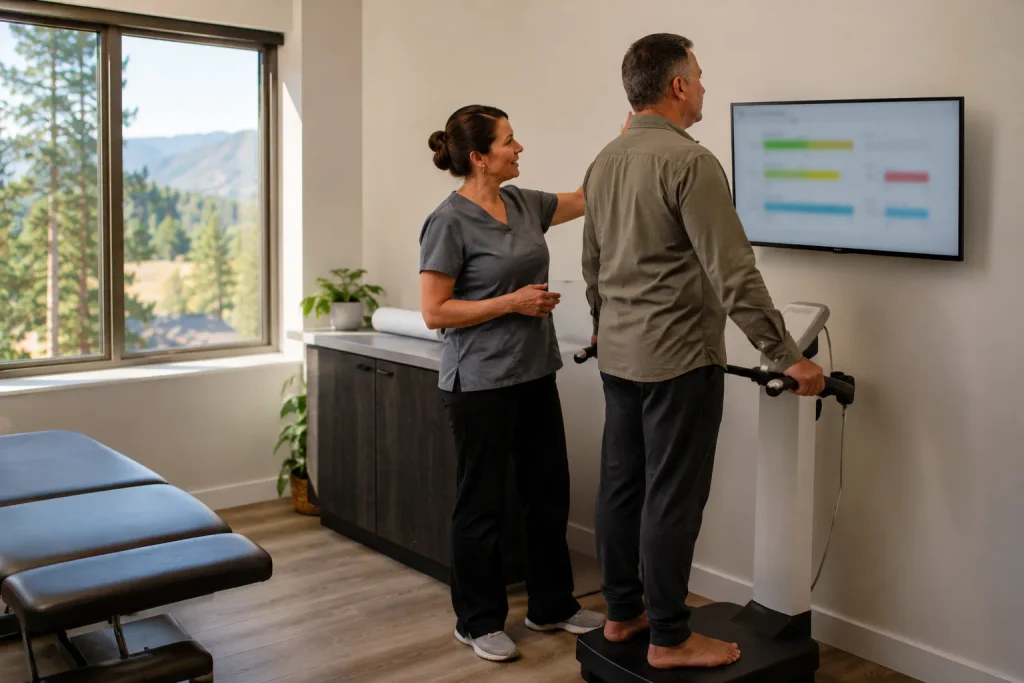
Rather than treating every plateau as a dosing problem, your provider looks at what has changed in your metabolism and daily life since you started treatment. That review typically draws on updated labs, a body composition reading, and an honest conversation about sleep, stress, and eating patterns, so the plan that follows is built around your actual physiology rather than a generic next step.
| Possible Cause | What It Looks Like | How Evexia Addresses It |
| Metabolic adaptation | Weight loss slows despite consistent habits | Recalculates calorie and macro targets based on your updated body composition |
| Muscle loss | Scale weight drops but body shape barely changes | Adds a protein target and resistance training guidance to preserve lean mass |
| Medication tolerance | Appetite suppression feels weaker than when you started | Reassesses dose and timing with your provider, not a self directed increase |
| Hormonal or gut factors | Plateau persists despite good adherence | Orders labs to rule out thyroid, cortisol, or hormonal drivers through Root Cause Healing |
| Sleep or stress load | Cravings and fatigue rise alongside the stall | Builds sleep and stress support directly into your care plan |
What to Expect When You Restart Progress at Evexia
- Initial review: your provider looks at your weight trend, current dose, and recent labs to rule out an underlying cause.
- Body composition check: rather than the scale alone, your muscle-to-fat ratio helps identify whether muscle loss is slowing your metabolism.
- Nutrition and protein plan: you receive specific, individualized guidance built around preserving lean mass, not a generic diet handout.
- Dose and timing review: any medication adjustment is made deliberately, based on your response, not on a fixed schedule.
- Follow-up and monitoring: regular check-ins track whether the plan is working so adjustments happen early, not months later.
Why Evexia
Evexia is led by Deanna McNulty, DNP, FNP-C, a nurse practitioner with more than 26 years in medicine who founded the clinic on the belief that lasting results come from treating the cause of a symptom, not just managing it. When your weight loss stalls, that root-cause approach means looking beyond the number on your prescription bottle, at your metabolism, your muscle mass, your hormones, and your daily habits, to find out what actually changed. clients often come to Evexia after a plateau has already led them to question whether the medication is still doing anything, and the first step is usually reassurance that a stall is a normal, explainable part of the process rather than a failure.
Because Evexia is a cash-pay practice rather than an insurance-driven one, visits are not rushed to fit a billing code, and follow-up can happen as often as your progress requires rather than on a fixed insurance schedule.
As a cash-pay clinic based in Florissant, Colorado, Evexia offers both telehealth and in-person visits, so your care plan can adjust as your body does. Evexia’s GLP-1 program is one part of a broader set of conditions Evexia treats, including weight and metabolic health, hormonal health, and energy and fatigue, since a stalled plateau is rarely caused by just one factor. If you want to compare how GLP-1 medications are delivered, the GLP-1 injections vs. pills post walks through the differences.
Frequently Asked Questions
Why did my GLP-1 weight loss suddenly stop?
A sudden stop usually reflects metabolic adaptation, muscle loss, or a shift in daily habits rather than the medication no longer working. Reviewing your dose, protein intake, and activity level with your provider can identify which factor is driving the stall.
Should I increase my GLP-1 dose if I hit a plateau?
Not automatically. A higher dose can help in some cases, but plateaus are also caused by muscle loss, sleep, or hormonal factors that a dose increase will not fix. Your provider should review your full picture before adjusting your prescription.
How long do GLP-1 weight loss plateaus usually last?
Plateaus vary from a few weeks to a couple of months depending on the cause. Ones tied to habit drift often resolve faster once nutrition and activity are adjusted, while ones tied to muscle loss or hormones take longer to correct.
Can muscle loss really affect my weight loss progress?
Yes. Losing muscle along with fat lowers your resting metabolic rate, meaning your body burns fewer calories at rest. This is one of the most common and most preventable causes of a GLP-1 plateau.
What makes Evexia’s approach to GLP-1 plateaus different?
Evexia looks at the root causes behind a plateau, including labs, body composition, and lifestyle factors, instead of defaulting to a dose increase. Care plans are personalized and adjusted through both in-person and telehealth visits, led directly by a provider who reviews your case rather than a call center.
Does diet or exercise still matter once you are on a GLP-1 medication?
Yes, and often more than clients expect. GLP-1 medications reduce appetite, but the quality of what you eat, especially protein intake, and whether you include resistance training, largely determines whether the weight you lose comes from fat or from a mix of fat and muscle. That balance is a major factor in whether a plateau shows up early or later in your progress.
Ready to Break Through Your Weight Loss Plateau
A stall does not mean you have to start over, it means your plan needs a second look. See If You Qualify and talk with an Evexia provider about what is really behind your plateau.