
Regenerative medicine for joint pain uses therapies like StemWave's focused acoustic wave technology to stimulate blood flow, collagen production, and cellular repair in damaged joints. Most clients complete a short series of noninvasive sessions with no downtime. At Evexia, StemWave is offered as a non-surgical option for clients dealing with chronic joint, tendon, and connective …

Regenerative medicine for joint pain uses therapies like StemWave’s focused acoustic wave technology to stimulate blood flow, collagen production, and cellular repair in damaged joints. Most clients complete a short series of noninvasive sessions with no downtime. At Evexia, StemWave is offered as a non-surgical option for clients dealing with chronic joint, tendon, and connective tissue pain.
If you have been living with joint pain that never fully resolves, you have probably tried rest, ice, medication, and maybe even a cortisone shot. Those approaches can quiet symptoms for a while, but they do not address why the joint stopped healing in the first place. Regenerative medicine for joint pain takes a different approach. Instead of masking discomfort, it works to reactivate your body’s own repair processes at the cellular level, so damaged tissue actually rebuilds rather than simply going numb to the pain signal.
This shift in thinking matters because chronic joint pain is often less about the joint itself and more about how well the surrounding tissue is able to repair itself over time. Two people with the same diagnosis can have very different outcomes depending on blood flow, prior injury history, and how much inflammation has built up in the area. Understanding that difference is the first step toward a treatment plan that actually holds.
Understanding Joint Pain at the Root Cause Level
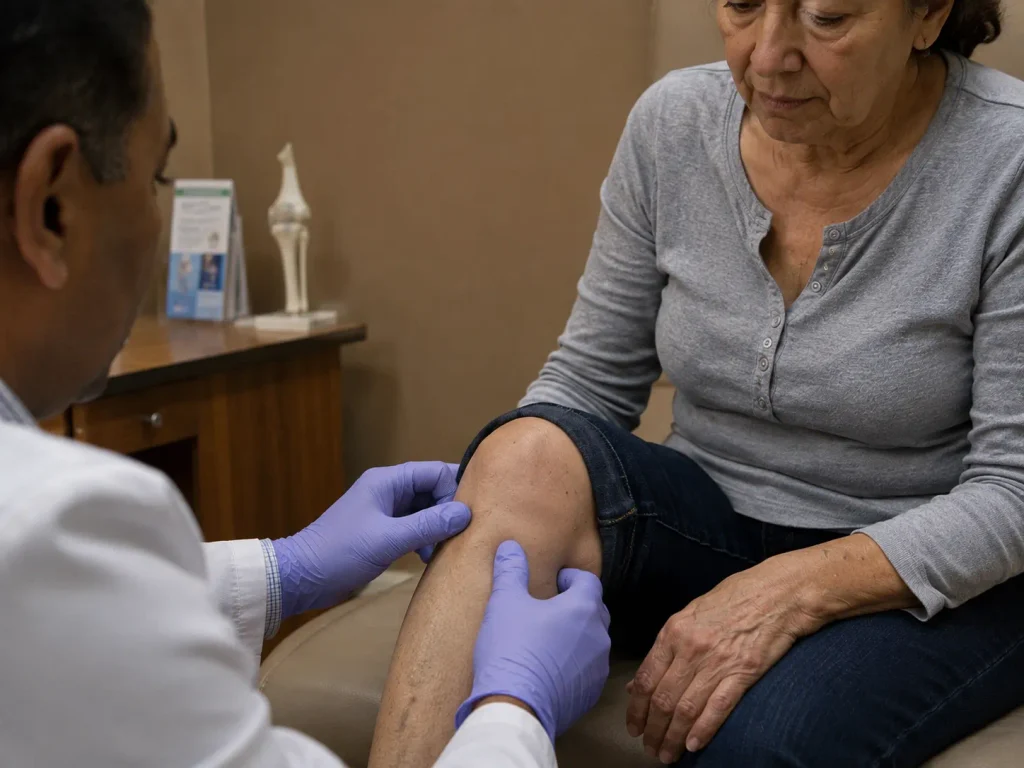
Joint pain rarely comes from a single, simple source. In many cases, the surface symptom is inflammation, but the underlying cause is poor circulation, incomplete healing from an old injury, or repetitive strain that never gave the tissue a chance to fully recover. When blood flow to a joint is limited, the area does not receive enough oxygen and nutrients to repair itself efficiently, so pain lingers long after the original injury.
Common root causes behind chronic joint pain include:
- Reduced microcirculation in and around the joint capsule
- Degeneration of tendons and connective tissue from repetitive use
- Incomplete healing after a sprain, strain, or minor injury
- Chronic low grade inflammation that never fully resolves
- Age related breakdown of cartilage and connective tissue
- Scar tissue or adhesions that restrict normal movement
Traditional pain management often stops at the inflammation itself, using medication or injections to quiet the signal. Regenerative approaches go a step further by targeting the environment around the joint so your body has what it needs to actually heal. That distinction matters most for people whose pain keeps returning after weeks or months of the same treatment cycle. If circulation to the area is still limited and the tissue is still under repaired, symptom relief alone will not hold, and the discomfort tends to resurface as soon as the medication wears off or activity picks back up.
How StemWave Triggers Natural Healing
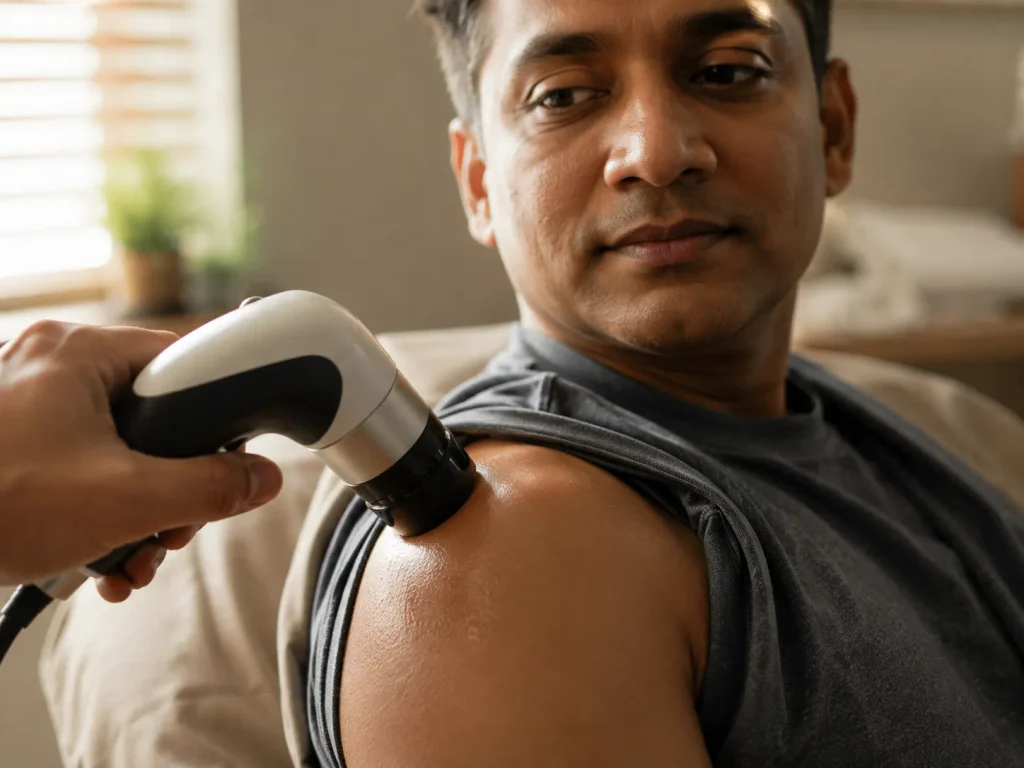
StemWave uses focused acoustic wave therapy, a noninvasive technology that sends targeted sound wave pulses into the affected tissue. Those pulses create a controlled, low level stress response in the area, which signals your body to increase blood flow and kickstart its own repair mechanisms. This is not a passive treatment. It is designed to actively wake up the healing process in tissue that has stalled.
| What Happens | Why It Matters for Joint Pain |
| Increased microcirculation | Delivers oxygen and nutrients needed for tissue repair |
| Stimulated collagen production | Rebuilds and strengthens tendons, ligaments, and connective tissue |
| Breakdown of calcified deposits | Reduces stiffness and restores range of motion |
| Activation of the body’s repair response | Encourages cellular regeneration instead of just numbing pain |
| Reduced local inflammation over time | Supports lasting relief rather than temporary masking |
Because StemWave works with your body’s own healing systems rather than replacing them, it is often used for joint, tendon, and connective tissue conditions such as knee pain, plantar fasciitis, tendonitis, and chronic back pain. It is a non-surgical option, which makes it appealing to clients who want to avoid the recovery time and risk that come with more invasive procedures.
The underlying idea is sometimes called mechanotransduction, meaning the body converts a physical stimulus into a biological response. When the acoustic waves reach the treated tissue, cells in the area respond by ramping up their own repair activity, including the release of growth factors that support new blood vessel formation. Over a series of sessions, that repeated stimulus can help tissue that was previously stuck in a low grade, unresolved state of injury move back toward normal function.
What to Expect: The StemWave Treatment Process

Every client’s joint pain has a different history, so the process at Evexia starts with a real evaluation, not a one size fits all protocol.
- Initial consultation. Your provider reviews your pain history, prior treatments, and imaging if you have it, to identify the likely root cause rather than just the symptom.
- Personalized session plan. StemWave sessions are typically scheduled in a short series, spaced out to allow your tissue to respond between treatments.
- In office treatment. Each session is quick, noninvasive, and requires no anesthesia or incisions. Most clients return to normal activity the same day.
- Progress check ins. Your provider monitors your response and adjusts the plan as your tissue begins to heal.
- Long term maintenance guidance. Once your primary series is complete, you will get guidance on movement, recovery habits, and any follow up care that supports lasting results.
Because the technology encourages your body to rebuild rather than simply suppressing pain signals, results tend to build gradually over the course of treatment rather than appearing instantly after a single session.
Why Evexia for Regenerative Joint Pain Care
Evexia is a cash pay, root cause focused wellness clinic in Florissant, Colorado, led by founder and lead clinical director Deanna McNulty, DNP, FNP-C, who brings more than 26 years in medicine to every client plan. Rather than treating joint pain as an isolated symptom to manage, the team looks at the full picture, including circulation, inflammation, and prior injury history, to build a plan aimed at real tissue repair.
StemWave is one of Evexia’s four core clinical pillars, alongside GLP-1 guided weight loss, bioidentical hormone therapy, and root cause cellular healing. That structure matters for joint pain clients specifically, because pain, hormone balance, and metabolic health are often connected. A provider who understands all four areas is better positioned to catch a root cause that a single symptom focused visit might miss.
Evexia’s model is also cash pay, with both telehealth and in person visits available at the Florissant office. That setup allows your provider to spend real time understanding your history and building a plan around your specific joint pain, rather than working within the short visit windows that a traditional insurance based practice often requires. For clients who have already tried the standard rounds of rest, medication, and injections without lasting results, that kind of individualized attention is often the missing piece.
Frequently Asked Questions
What is regenerative medicine for joint pain?
Regenerative medicine for joint pain refers to treatments that stimulate your body’s own healing response instead of only masking pain signals. Therapies like StemWave use focused acoustic waves to boost circulation and encourage tissue repair at the source of the pain.
How is StemWave different from a cortisone shot?
A cortisone shot typically reduces inflammation and pain temporarily but does not repair the underlying tissue. StemWave instead stimulates blood flow and collagen production, aiming to help the tissue itself heal rather than just quieting the symptom for a short window of time.
Is StemWave painful or does it require downtime?
Most clients describe StemWave sessions as tolerable, with a sensation similar to light tapping or pressure in the treated area. The treatment is noninvasive, requires no anesthesia, and most clients return to normal activity the same day with no meaningful downtime.
How many StemWave sessions will I need for joint pain?
The number of sessions depends on how long you have had the pain and what is driving it. Your Evexia provider will build a personalized session plan after your initial consultation, since tissue that has been degenerating for years often needs a longer series than a recent strain.
Can StemWave help with joint pain from an old injury?
Yes. StemWave is often used for joint pain that lingers after an old injury never fully healed, since the treatment focuses on reactivating the repair process in tissue that has stalled rather than only addressing new or acute pain.
Ready to Address Your Joint Pain at the Root Cause
If chronic joint pain has been limiting your movement, Book A Session with Evexia and find out whether StemWave’s regenerative approach is right for you.